Adult Multivitamin Gummies: Benefits, Essential Nutrients & Daily Nutrition
Discover the benefits of adult multivitamin gummies, essential vitamins and minerals, and their role in daily nutrition. Learn about vitamins A, C, D, E, B-complex, and zinc, plus tips for choosing supplements and maintaining a balanced lifestyle.
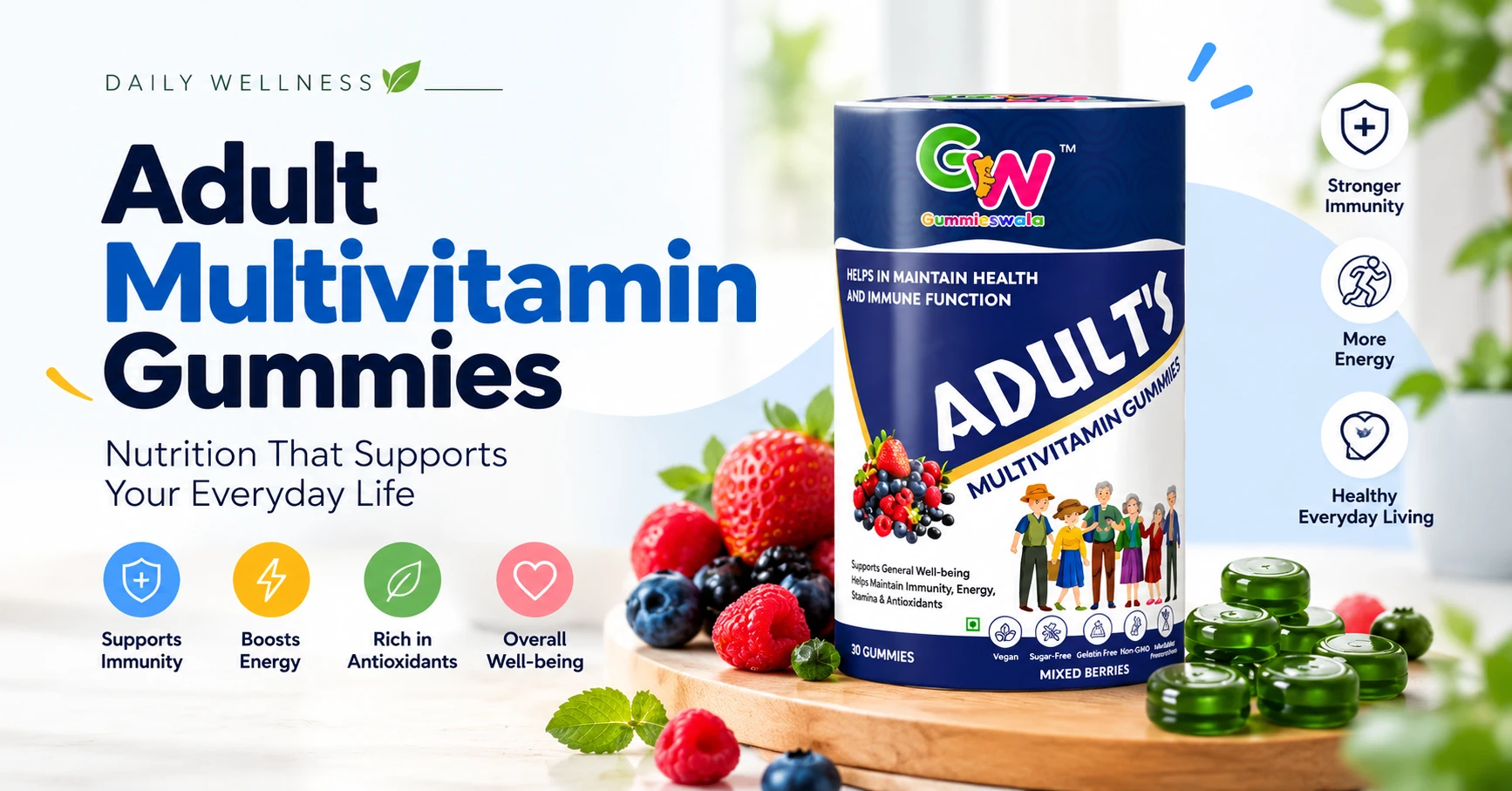
Adult Multivitamin Gummies: Benefits, Essential Nutrients, and Daily Nutrition
Maintaining good health requires more than simply eating enough food. The body needs a variety of vitamins and minerals to support normal functioning, energy metabolism, immune function, and overall well-being. However, busy schedules, irregular eating habits, dietary restrictions, and limited food variety can sometimes make it challenging to meet all nutritional requirements through diet alone.
This is why adult multivitamin supplements have become a common part of many people's wellness routines.
Among the available options, adult multivitamin gummies offer a chewable alternative to traditional tablets and capsules. They are designed to provide selected vitamins and minerals in a convenient format that can fit into everyday life.
Understanding what multivitamins contain, how different nutrients work, and when supplementation may be useful can help adults make informed decisions about their nutritional needs.
What Are Adult Multivitamin Gummies?
Adult multivitamin gummies are chewable dietary supplements formulated with selected vitamins and, in some products, minerals. They are intended to complement dietary intake by providing specific nutrients in a convenient serving.
Depending on the formulation, multivitamin gummies may contain vitamins A, C, D, E, and several B vitamins, along with minerals such as zinc.
The exact composition varies between products. Some formulations focus on general nutritional support, while others are designed around particular dietary needs.
Multivitamins are not substitutes for balanced meals. Whole foods provide fibre, protein, healthy fats, and many beneficial compounds that supplements may not contain.
Why Are Vitamins and Minerals Important?
Vitamins and minerals are essential nutrients because the body needs them in appropriate amounts to perform numerous biological functions.
Although each nutrient has a different role, they work together to support normal physiological processes.
1. Vitamin A and Normal Vision
Vitamin A contributes to normal vision, immune function, and the maintenance of healthy tissues.
It is found in foods such as carrots, sweet potatoes, spinach, eggs, and dairy products. The body can also obtain vitamin A from certain animal-derived foods.
Adequate intake is important, but excessive vitamin A from supplements can be harmful.
2. Vitamin C and Antioxidant Protection
Vitamin C is involved in collagen formation, wound healing, iron absorption, and normal immune function. It also acts as an antioxidant, helping protect cells from oxidative damage.
Good dietary sources include oranges, guavas, strawberries, bell peppers, tomatoes, and other fruits and vegetables.
Adults who regularly consume a variety of these foods may already obtain sufficient vitamin C from their diet.
3. Vitamin D and Bone Health
Vitamin D helps the body absorb calcium and supports normal bone and muscle function.
The body produces vitamin D through exposure to sunlight, and it can also be obtained from certain foods and supplements.
Low vitamin D levels can affect bone health. People with limited sun exposure, certain medical conditions, or other risk factors may need to discuss their vitamin D intake with a healthcare professional.
4. Vitamin E and Cellular Health
Vitamin E is a fat-soluble vitamin that contributes to antioxidant protection. It helps protect cell membranes from oxidative damage.
Sources include nuts, seeds, vegetable oils, and certain green vegetables.
A balanced diet generally provides vitamin E for many adults, and high-dose supplementation is not automatically beneficial.
5. B-Complex Vitamins and Energy Metabolism
B-complex vitamins include several nutrients that help the body convert food into usable energy and maintain normal cellular and nervous system functions.
Different B vitamins have specific roles:
- Vitamin B1: Supports carbohydrate metabolism and normal nerve function.
- Vitamin B2: Contributes to energy metabolism and cellular function.
- Vitamin B3: Helps the body process nutrients and produce energy.
- Vitamin B5: Participates in the metabolism of fats and carbohydrates.
- Vitamin B6: Supports protein metabolism and neurotransmitter synthesis.
- Vitamin B7 (Biotin): Helps metabolise fats, carbohydrates, and proteins.
- Vitamin B9 (Folate): Supports DNA synthesis and normal cell division.
- Vitamin B12: Helps maintain normal nerve function and red blood cell formation.
B vitamins do not necessarily increase energy levels when someone already obtains enough of them. However, correcting a deficiency may help address related symptoms.
6. Zinc and Immune Function
Zinc is an essential mineral involved in immune function, wound healing, DNA synthesis, and normal cell division.
Dietary sources include legumes, nuts, seeds, dairy products, seafood, and meat.
Both inadequate and excessive zinc intake can cause problems. High-dose zinc supplements should not be taken routinely without considering individual nutritional needs.
Who May Consider an Adult Multivitamin?
Not every adult needs a multivitamin supplement. Many people can obtain adequate nutrients through a varied, balanced diet.
However, supplementation may be worth discussing with a healthcare professional in situations such as:
- Following a restrictive diet.
- Having limited dietary variety.
- Experiencing difficulty meeting nutritional requirements through food.
- Having a medical condition that affects nutrient absorption.
- Being advised to supplement a particular nutrient.
- Having increased nutritional needs during certain stages of life.
The appropriate supplement depends on the person's diet, health status, age, medications, and individual requirements.
Gummies Versus Traditional Multivitamin Tablets
Adult multivitamins are available in several formats, including gummies, tablets, capsules, and powders.
Gummies are chewable and may be convenient for people who dislike swallowing pills. Tablets and capsules may offer different nutrient combinations or amounts, depending on the formulation.
The most important factors are the nutrient content, appropriate dosage, product quality, and suitability for the individual.
A gummy is not automatically more effective or better absorbed than a tablet simply because it is chewable.
Can Multivitamin Gummies Replace a Healthy Diet?
No. Multivitamin gummies should complement a healthy eating pattern rather than replace it.
A balanced diet provides a combination of nutrients, dietary fibre, protein, essential fats, and other beneficial compounds that contribute to overall health.
For a well-rounded approach to nutrition, adults should aim to include:
- A variety of fruits and vegetables.
- Whole grains and other fibre-rich foods.
- Protein sources such as legumes, eggs, dairy, fish, or suitable alternatives.
- Healthy fats from nuts, seeds, and vegetable oils.
- Adequate water throughout the day.
Supplements can help address particular nutritional needs, but they cannot compensate for every aspect of an unbalanced diet.
How to Choose an Adult Multivitamin Supplement
Before choosing a multivitamin, consider the following factors.
Check the Nutrient List
Review the vitamins and minerals included in each serving and compare their amounts with your nutritional requirements.
Understand the Dosage
More is not always better. Excessive amounts of certain vitamins and minerals can cause adverse effects.
Consider Your Diet
Identify nutrients that may be difficult to obtain through your usual food choices rather than assuming that every nutrient requires supplementation.
Review Ingredients and Allergens
Check the full ingredient list, sweeteners, allergens, and other formulation details.
Choose a Reputable Manufacturer
Look for clear product labelling, appropriate quality controls, and compliance with applicable regulations.
Consider Medication Interactions
Some vitamins and minerals can interact with medicines or affect their absorption. Ask a healthcare professional or pharmacist if you take regular medication.
Are Adult Multivitamin Gummies Safe?
Multivitamin gummies can be appropriate for adults when used according to their label and individual nutritional needs.
However, safety depends on the ingredients, dosage, existing health conditions, and other supplements or medications being used.
Excessive intake of certain nutrients can be harmful. Vitamins A, D, E, and K can accumulate in the body, while excessive amounts of minerals such as iron and zinc can also cause adverse effects.
To use supplements responsibly:
- Follow the recommended serving instructions.
- Avoid combining multiple supplements without checking their nutrient content.
- Keep gummies away from children, as accidental overconsumption can be dangerous.
- Consult a healthcare professional if you have a medical condition, are pregnant or breastfeeding, or take medication.
Frequently Asked Questions
Are adult multivitamin gummies necessary every day?
Not necessarily. Whether daily supplementation is useful depends on your diet, nutritional status, health circumstances, and the product's formulation.
Do multivitamin gummies provide extra energy?
They provide selected nutrients involved in normal energy metabolism. They are not stimulants, and they do not necessarily increase energy levels in people who already meet their nutritional requirements.
Can multivitamin gummies support immunity?
Vitamins and minerals such as vitamins A, C, D, and zinc contribute to normal immune function. Supplements cannot guarantee immunity or prevent every illness.
Are sugar-free multivitamin gummies healthier?
Sugar content is one factor to consider. Nutrient amounts, ingredients, sweeteners, dosage, and individual dietary needs also matter.
Can I take multivitamins with other supplements?
Possibly, but combining products can lead to excessive intake of certain nutrients. Check the ingredients and consult a healthcare professional when necessary.
Final Thoughts
Vitamins and minerals play essential roles in normal bodily functions, from energy metabolism and immune function to vision, bone health, and nervous system activity.
Adult multivitamin gummies offer a convenient chewable format for people who may benefit from additional nutritional support. However, their usefulness depends on the nutrients they contain and whether those nutrients address an individual's needs.
A varied diet, regular physical activity, sufficient sleep, and appropriate healthcare remain the foundations of long-term wellness.
The best approach to nutrition is an informed one: understand your needs, prioritise balanced meals, and use supplements thoughtfully when they are appropriate.
Disclaimer: This article is for general educational purposes only and is not a substitute for medical advice. Dietary supplements are not intended to diagnose, treat, cure, or prevent disease. Consult a qualified healthcare professional before starting a supplement if you have an underlying medical condition or take medication.
Related Tags
Medical Disclaimer: The content provided in this article is for informational purposes only and is not intended as medical advice, diagnosis, or treatment. Always consult with a qualified healthcare provider or doctor regarding any dietary or supplement decisions.